

2025/01/21
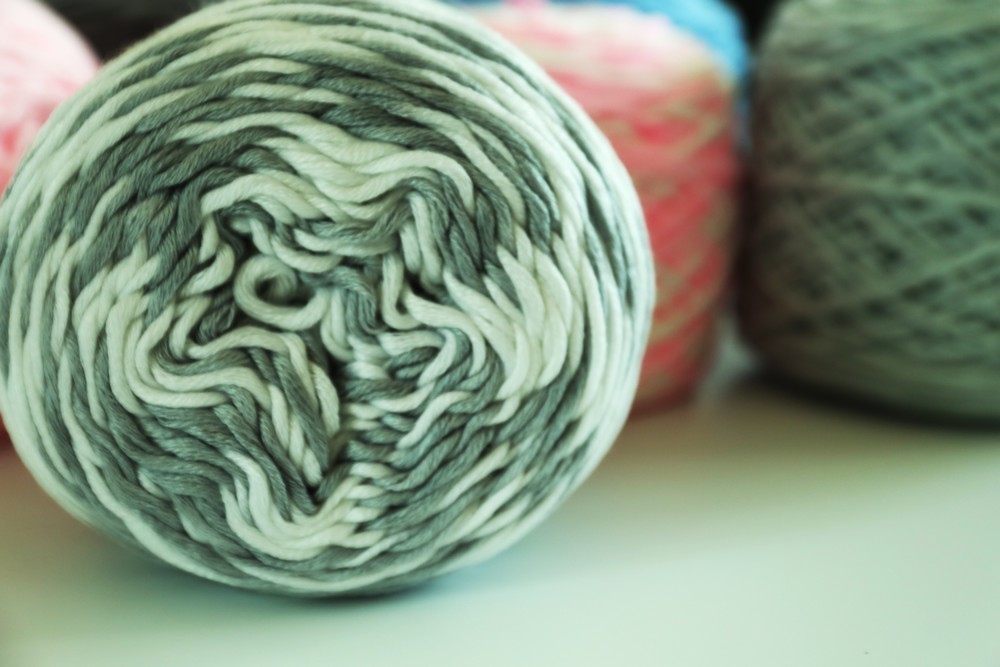
The characteristics of wool yarn.
Wool yarn is loved by craft enthusiasts for its softness, warmth, and ease of knitting. It not only offers a rich variety of colors and materials but also has excellent thermal insulation and breathability. Additionally, wool yarn has a certain degree of elasticity and abrasion resistance, making the knitted clothing and home goods more durable.
2025/01/21
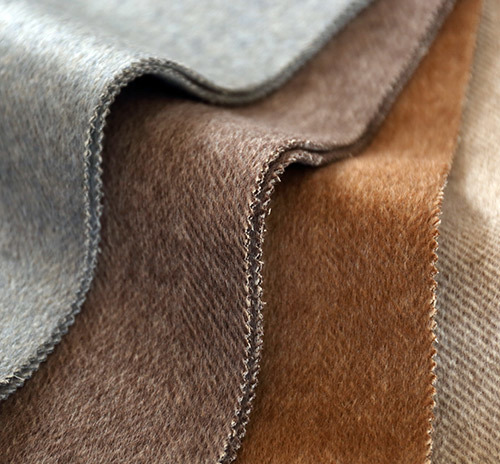
Cotton: Good moisture absorption, soft and comfortable, strong breathability, making it an ideal material for summer clothing and bedding. Wool: Excellent warmth retention, but may not be suitable for sensitive skin, commonly used for winter clothing and blankets.

2025/01/21
Fabrics have a wide range of applications, including clothing and fashion, home decor, furniture manufacturing, automotive interiors, medical and sanitary uses, sports and outdoor products, as well as industrial applications. Different types of fabrics play their respective roles in these fields due to their unique characteristics and purposes.
2025/01/21
The manufacturing process of fabrics.
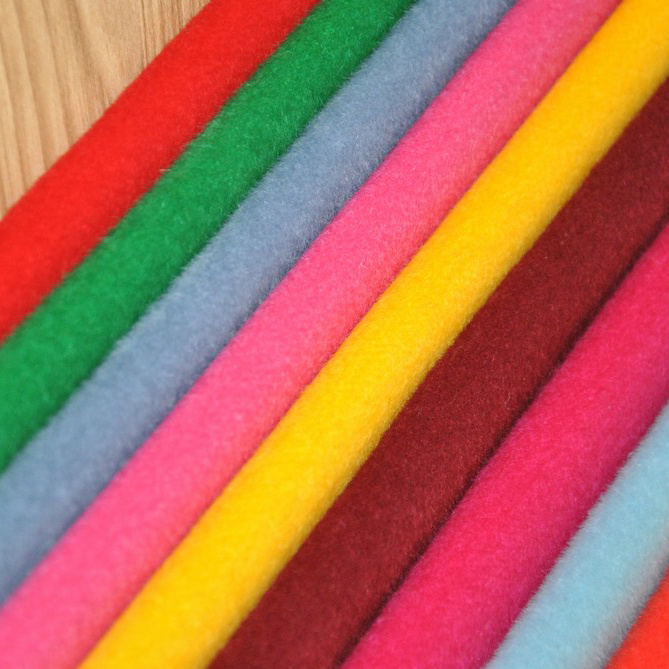
Woven fabric is formed by two or more sets of yarns interlacing at right angles. The yarns that run vertically are called the warp, while the yarns that run horizontally are called the weft. Woven fabrics have characteristics of being sturdy, stable, and having a relatively low shrinkage rate, making them commonly used for making formal clothing such as shirts and suits.
2025/01/21
Spinning Technology and Quality
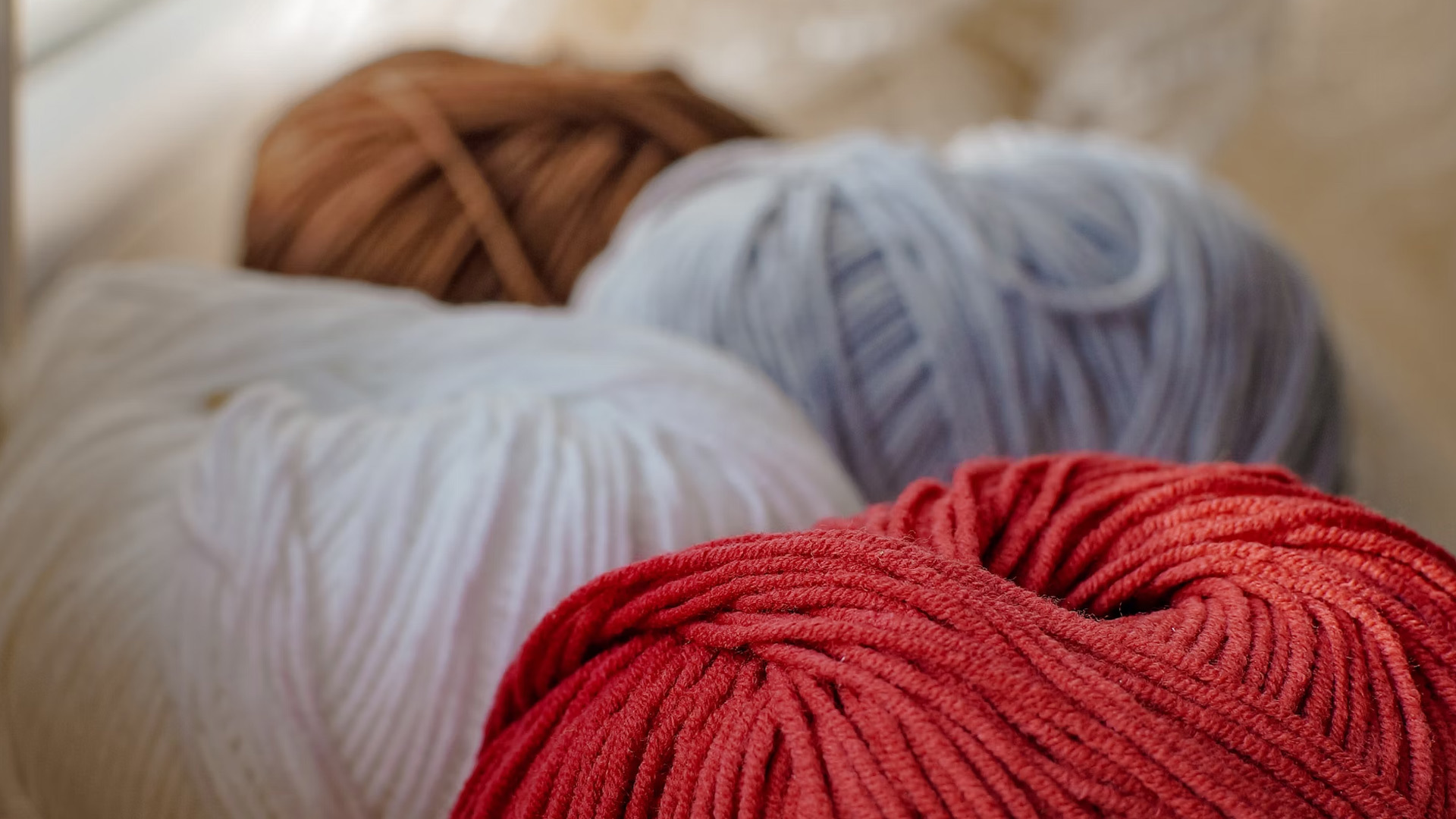
The spinning process of yarn plays a decisive role in its quality. Common spinning processes include combed yarn, carded yarn (regular carded yarn), and filament yarn.
2025/01/21
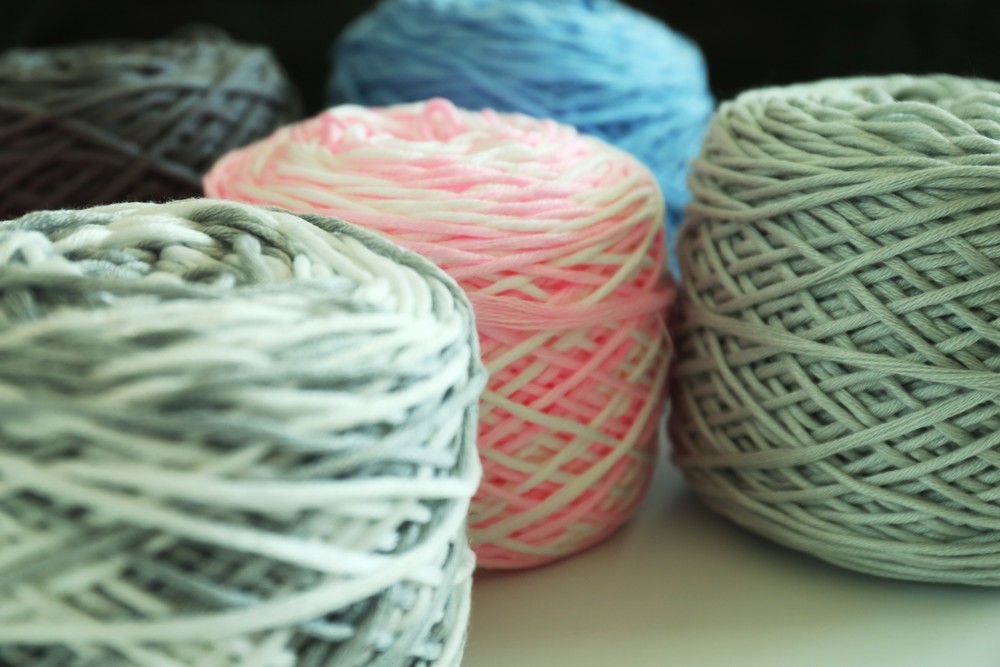
The structure and shape of yarn are diverse.
Monofilament: Refers to a single long continuous strand of filament. Multifilament: Refers to a bundle of two or more monofilaments combined together. Twisted yarn: Yarn formed by twisting multifilaments together.
2025/01/21
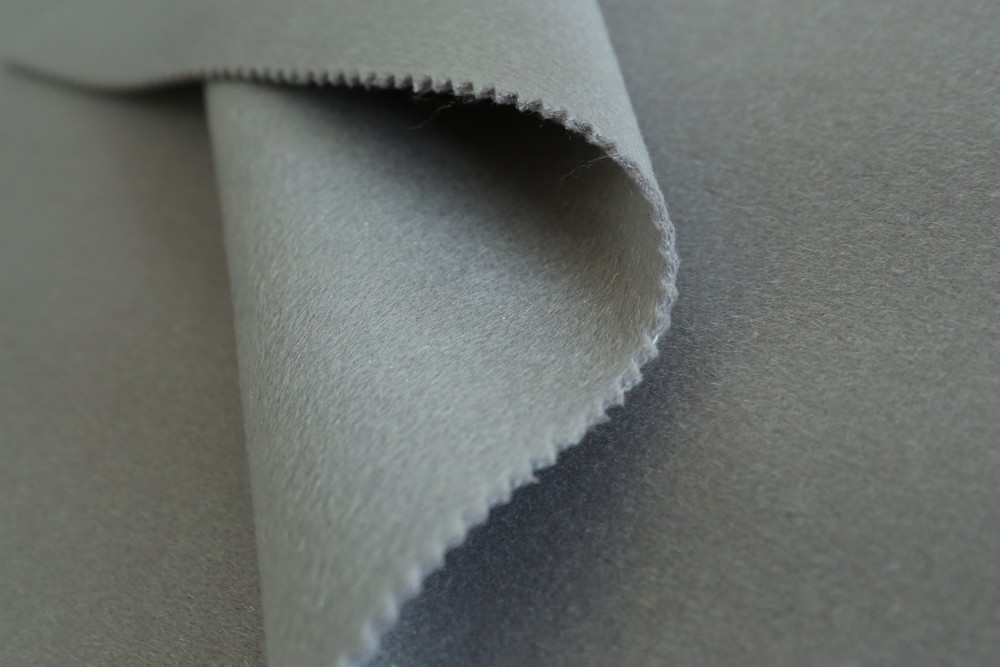
Maintenance and Care of Velvet Fabric
Hand Wash: If hand washing is necessary, use a mild detergent and avoid vigorous rubbing. After washing, lay flat to dry and avoid direct sunlight.

2025/01/21
The Application and Selection of Velvet Fabric
When selecting woolen fabric, one should pay attention to whether the surface is flat, whether the color is uniform, and whether the luster is soft. At the same time, there are significant differences in texture, luster, and elasticity between pure wool and synthetic wool, so choices can be made based on personal needs.

2025/01/21
The advantages of velvet fabric.
Durable and wear-resistant: The surface of wool fibers is covered with scales, providing excellent abrasion resistance to the fabric, making it tough and durable.
2025/01/21
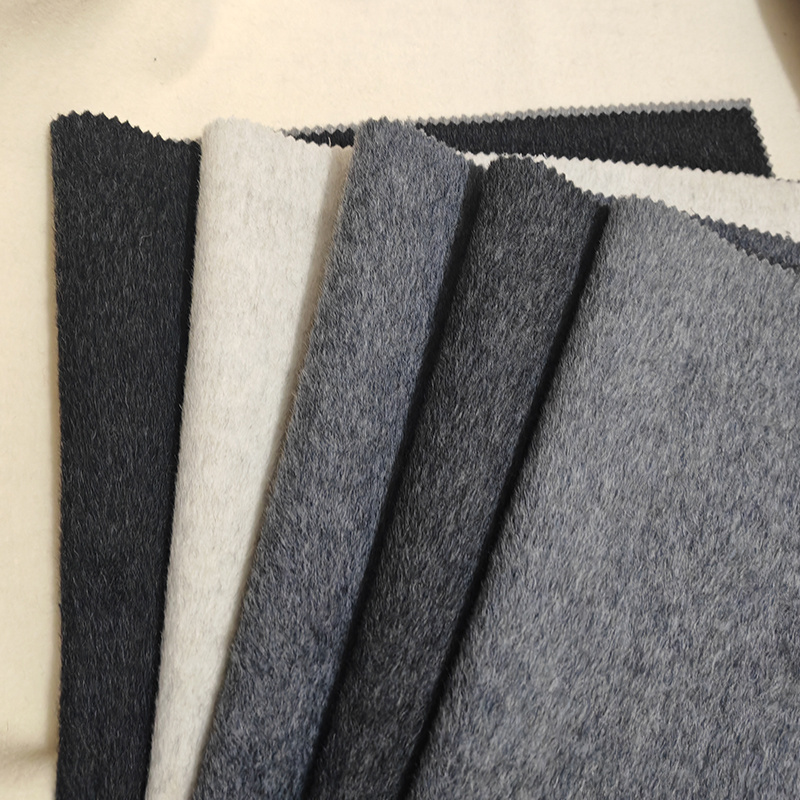
The composition and classification of velvet fabric.
Strictly speaking, the composition of woolen fabric should be wool in order to be called woolen fabric. However, there are also products on the market that are blended with wool and other fibers. Although these products have similar characteristics to woolen fabric, they are not pure woolen fabric.

Contact Us
E-mail:
hbsanxu@126.com
Service Hotline:
+86-13315221299
Address:
Cuizhuang industrial zone, wanan town, Lixian county, Baoding






Service Hotline
Address
Cuizhuang industrial zone, wanan town, Lixian county, Baoding